
Solid performance in the non-oil sector of the Omani economy steered the country towards relatively sound growth in 2015, with the financial services industry in particular helping to cushion the blow of lower energy prices.
Solid performance in the non-oil sector of the Omani economy steered the country towards relatively sound growth in 2015, with the financial services industry in particular helping to cushion the blow of lower energy prices.
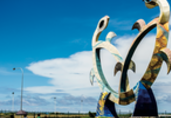
Falling energy and mineral prices ramped up pressure on Papua New Guinea’s economy in 2015, prompting a reduction in state spending that is expected to continue into the new year as the government looks to return the budget to a surplus.
Taxes levied by the national government of South Africa under the Income Tax Act 58 of 1962 (the Act) include the following:
As the global economic environment challenges businesses and gives rise to acute unemployment, there is a growing need for governments to find more innovative ways of attracting investors. In South Africa there are several tax incentives and allowances geared to attracting investment and promoting employment creation.
In conjunction with SizweNtsalubaGobodo, OBG explores the taxation system, examining South Africa’s investor-friendly environment. OBG talks to Victor Sekese, CEO, SizweNtsalubaGobodo, on new tax rules.
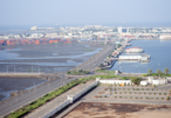
Suite à la signature fin septembre d’un accord portant sur la construction d’un oléoduc pour un coût total de 1,55 milliard de dollars, les volumes d’essence, de diesel et de carburéacteur que Djibouti est en mesure de transporter vers son voisin éthiopien, qui ne dispose pas d’un accès à la mer, ne manqueront pas d’augmenter.
Stay updated on how some of the world’s most promising markets are being affected by the Covid-19 pandemic, and what actions governments and private businesses are taking to mitigate challenges and ensure their long-term growth story continues.
Register now and also receive a complimentary 2-month licence to the OBG Research Terminal.
Register Here×