CATEGORY: OBG CEO Surveys
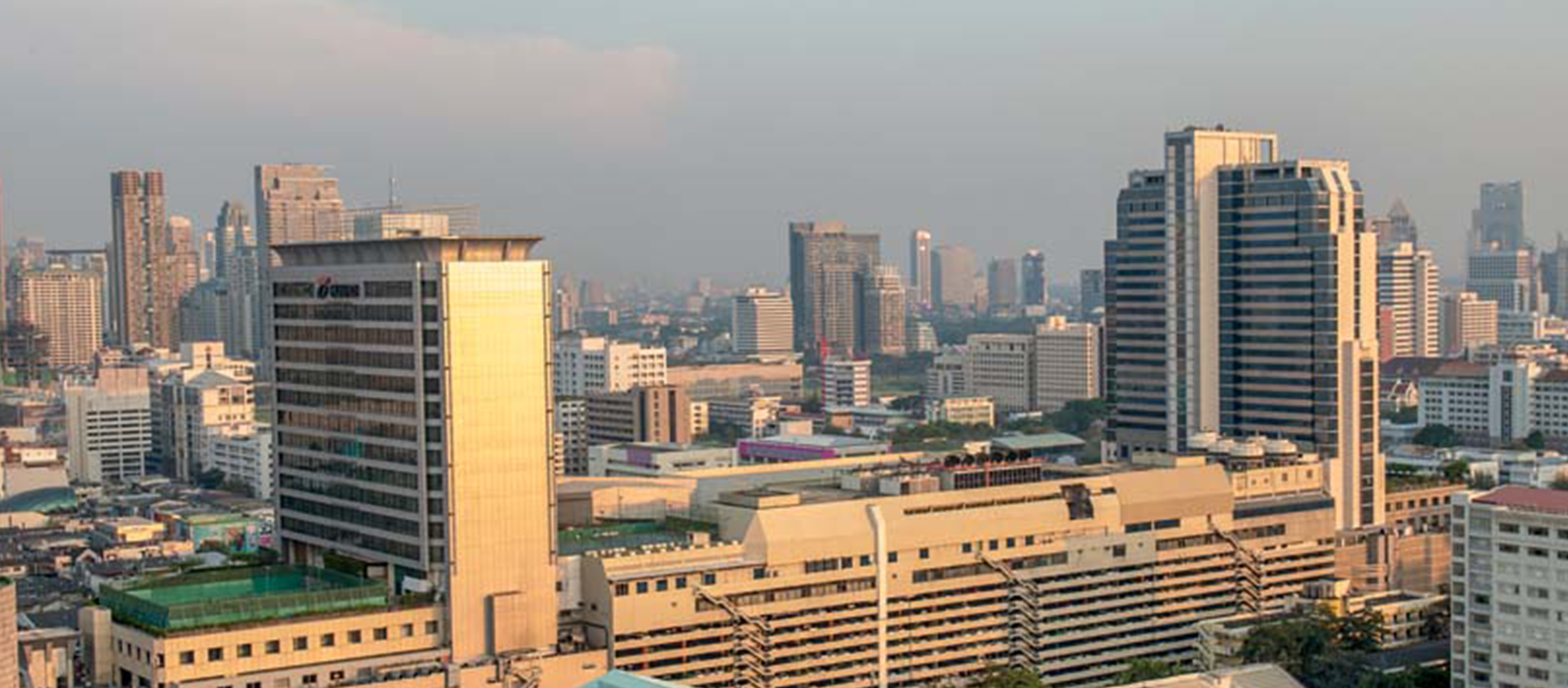
From the overthrow of an elected government to the death of a beloved king, Thailand has undergone serious upheaval in recent years. The state of flux in politics and society has been mirrored in the wider economy, with several years of weak consumption, falling foreign direct investment (FDI) and sluggish growth in comparison to the other emerging markets in ASEAN.
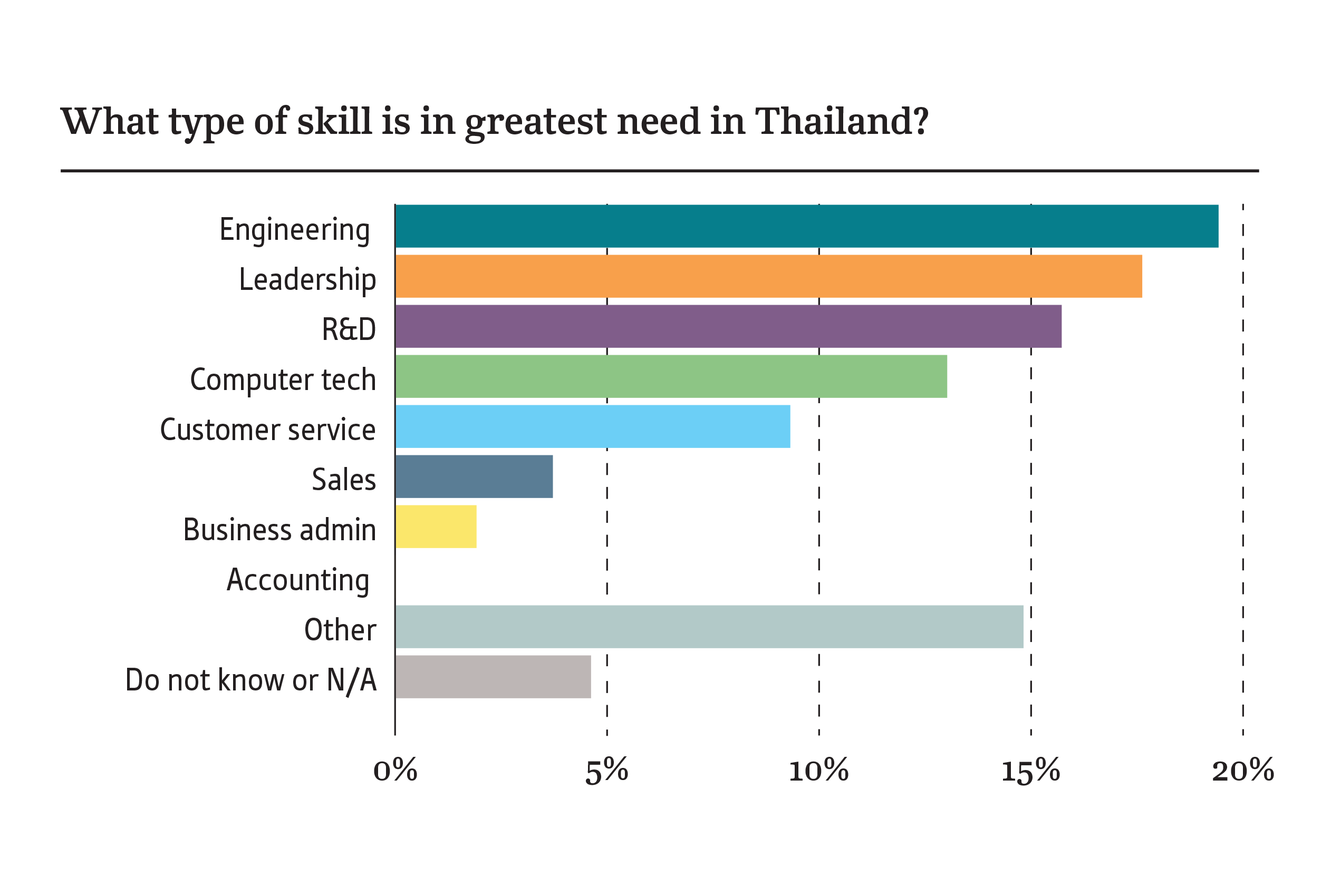
Following a number of recent political and economic challenges in the country, Thailand’s C-suite executives remain notably optimistic about local business conditions in Oxford Business Group’s second CEO Survey on the Thai economy. As well as providing optimistic responses on their short-term investment plans, respondents implicitly underscored their commitment to Thailand’s long-term strategy to become a high-income, valuebased economy, citing engineering, leadership, research and computer technology as their top-four long-term workforce requirements, thereby closely aligning with the objectives of the government’s Thailand 4.0 agenda.
Progress on fiscal consolidation and a recent rebound in commodity prices have led to a more optimistic medium-term outlook. In our previous OBG Business Barometer: Trinidad & Tobago CEO Survey, released in late 2017, 57% of C-suite executives had positive expectations for the coming 12 months, which improved
to 69% in our latest results. Furthermore, over two-thirds say they are likely or very likely to make a significant capital investment in the coming year. This is perhaps due in part to the country’s favourable tax environment, which 64% of respondents describe as competitive or very competitive on a global scale.